Bedroom Storage Ideas: Plan a Room That Works
Good bedroom storage should make the room easier to use, not simply fill every available wall. The most successful plan starts with what you need to store, gives frequently used items the easiest positions and leaves comfortable space around the bed. By working through the room in the right order, you can combine wardrobes, chests, bedside tables and occasional storage without creating a crowded result.
Begin with an honest storage inventory
List what belongs in the bedroom before choosing furniture. Separate hanging clothes, folded clothes, shoes, accessories, spare bedding and seasonal items. Then consider the routine: which things are used every morning, which are needed weekly and which can live higher up or under the bed? IKEA's wardrobe guidance recommends thinking about the clothing you need to store before selecting internal organisers, and that principle applies to any storage system.
A quick sort-out at this stage can save buying furniture for items you no longer use. Keep everyday clothes easy to reach, move occasional pieces to less prominent spaces, and decide whether bulky bedding needs drawers, a blanket box or wardrobe shelving. This creates a practical capacity brief rather than a vague aim to add more storage.
Measure the whole room accurately
Draw the room and record wall lengths, ceiling height, skirting boards, sockets, radiators, windows and door swings. Include the bed's full footprint and any projection from the headboard or base. Measure the clear routes from the doorway to both sides of the bed and check where drawers and doors will open.
Wardrobes need more than a suitable wall width. Check their depth and height, the space needed to assemble or stand the unit upright, and the opening arc of hinged doors. Sliding doors can help where the gap in front is tight, although the internal arrangement and accessible opening width differ from hinged models. For chests, pull the deepest drawer fully forward in your plan. A piece that fits when closed may still block a walkway in daily use.
Place the bed before the storage
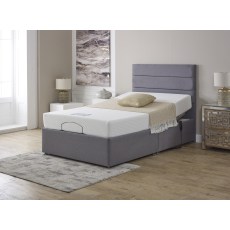
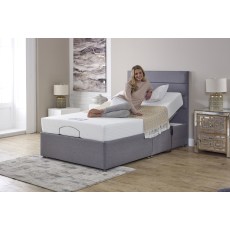
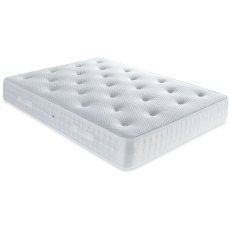
The bed usually sets the room's circulation, so establish its position first. Where possible, allow convenient access to both sides and make sure doors, drawers and wardrobes can operate without conflict. If you are choosing a new bed as well as storage, compare the actual dimensions rather than relying on mattress names alone; frames, divan bases and headboards can have different overall footprints.
Bedside tables should support how you use the room. Consider lamp space, charging, water, glasses and a book, then choose drawers or open shelves accordingly. Matching tables can give symmetry, but a smaller piece on one side may be the sensible answer in an awkward room. The useful height also depends on the finished bed height, including the mattress.
Give each storage type a clear job
- Wardrobes: hanging clothes, longer garments and adaptable shelves or rails.
- Chests of drawers: folded knitwear, T-shirts, underwear and smaller daily items.
- Blanket boxes: spare bedding or occasional textiles when there is room at the foot of the bed.
- Bedside tables: night-time essentials close to hand and less clutter around the headboard.
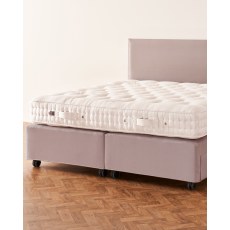
- Under-bed storage: seasonal or rarely used items, provided access remains straightforward.
Inside a wardrobe, match the fittings to the inventory. Longer hanging sections suit coats and dresses; shorter hanging can leave room for drawers or shelves below. Folded knitwear is often better supported on shelves or in drawers than on hangers. Small organisers prevent accessories from consuming a large drawer, and labelled boxes make high shelves more useful.
Use difficult areas deliberately
Alcoves, the wall under a window and the space above lower furniture can all contribute, but avoid adding pieces simply because a gap exists. IKEA highlights under-window cabinets and high storage as ways to use overlooked areas. A well-proportioned chest beneath a window can provide storage and a display surface without dominating the room. Preserve safe access to windows, heaters and electrical fittings, and follow the furniture manufacturer's wall-fixing instructions.
For a coordinated look, repeat a timber tone, handle finish or design detail across the main pieces rather than forcing every item to be identical. Keeping larger storage visually calm can help the bed remain the focal point. Take finish samples into the room and compare them in daylight and under your usual lamps before making a decision.
Make the final plan easy to live with
Before ordering, mark every piece on the floor with masking tape and simulate opening the doors and drawers. Walk the usual route, make the bed, open the wardrobe and check access to sockets. Confirm the delivery path as well as the room dimensions, especially for tall wardrobes and wide chests.
Browse bedroom furniture and Harrison Spinks beds, or bring your room plan to Francis of Malvern. The aim is enough capacity for what you own, with clear routes and furniture you can use comfortably every day.
Further reading
IKEA's guides to organising clothes and bedroom storage provide additional planning ideas.
- 24th September 2026
Recently viewed...